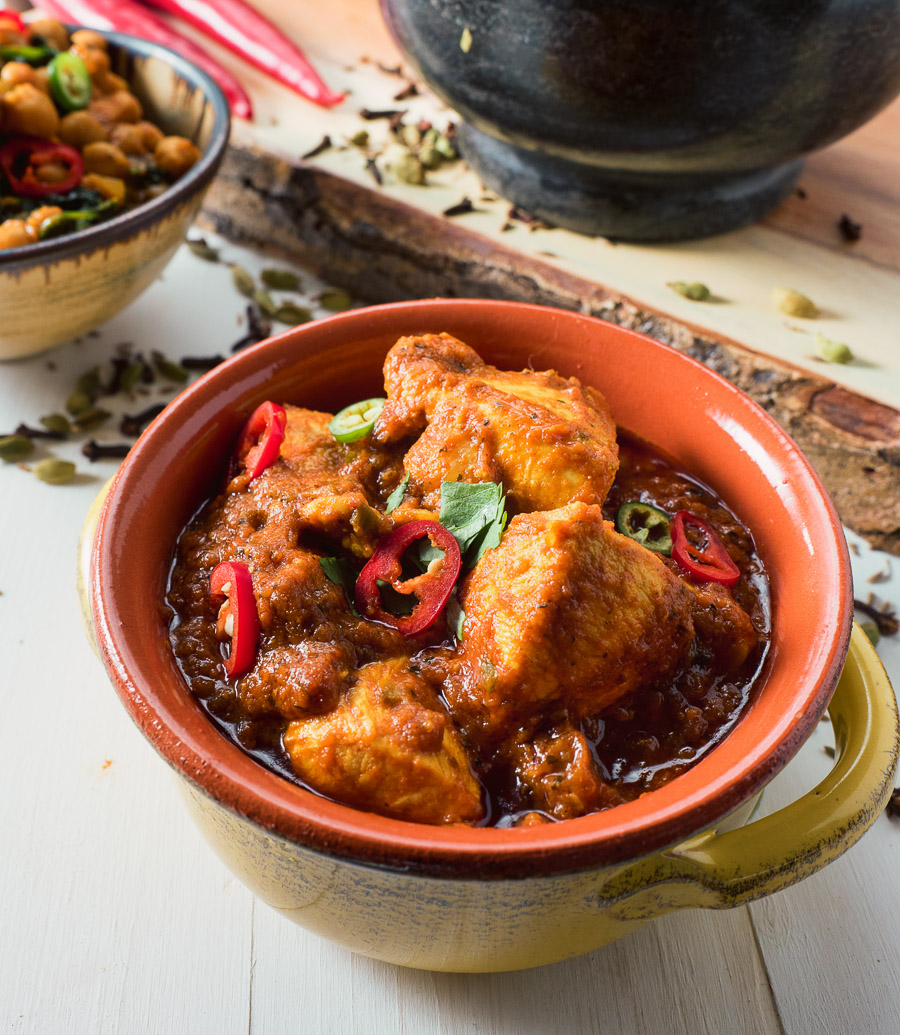
Mastering Vindaloo: Tips for Enjoying India's Spiciest Curry
Vindaloo. The name itself often evokes a mixture of fear and fascination, synonymous with extreme heat and a culinary challenge. For many uninitiated diners, the thought of an `indian restaurant vindaloo curry` is daunting, conjuring images of fire-breathing dragons and sweat-drenched brows. Yet, beneath its fiery reputation lies a dish of profound complexity, rich history, and exquisite flavor that, when approached correctly, can be one of the most rewarding experiences in Indian cuisine. This article will guide you through understanding, appreciating, and ultimately mastering the art of enjoying Vindaloo, ensuring your next encounter with this legendary curry is a triumph, not just an endurance test.
The Fiery Legacy of Vindaloo: A Culinary Journey
To truly appreciate Vindaloo, one must delve into its origins, a captivating tale that begins not in India, but with Portuguese explorers. The dish’s name itself is a direct corruption of the Portuguese "carne de vinha d'alhos," meaning "meat in garlic wine marinade." When the Portuguese arrived in Goa, India, they brought with them this technique of preserving pork in red wine and garlic. Over centuries, as local Goan cooks adapted the recipe, the wine was replaced with local vinegar (often palm vinegar), and a panoply of aromatic Indian spices, particularly an abundance of dried red chillies, were introduced. This transformation created the iconic `Vindaloo` we know today.
The magic of Vindaloo, beyond its heat, lies in this unique blend of ingredients. It typically features pork (the traditional choice, though chicken, lamb, or beef versions are common in many `indian restaurant vindaloo curry` menus), marinated overnight in a potent paste of vinegar, garlic, ginger, and a distinct blend of ground spices. These spices often include cumin, coriander, black peppercorns, cloves, cinnamon, and cardamom, all of which contribute layers of earthy, sweet, and aromatic notes. The chillies, of course, are paramount; a combination of intensely hot varieties for pungency and milder, color-rich chillies like Kashmiri for their vibrant red hue, creates a curry that is as visually striking as it is tantalizingly hot. This intricate balance of sourness from the vinegar, the pungency of garlic, the warmth of spices, and the intense heat of chillies is what defines Vindaloo. It's truly more than just a spicy dish; it's a symphony of flavors. For a deeper dive into its rich heritage, discover
Vindaloo's True Story: More Than Just Heat in Indian Curry.
Deciphering the Heat: What to Expect from an Indian Restaurant Vindaloo Curry
When you order an `indian restaurant vindaloo curry`, it's important to set your expectations. Vindaloo is, by definition, intended to be hot. However, the exact level of heat can vary significantly from one establishment to another, reflecting the chef's interpretation, regional influences, and even the availability of specific chillies. Some restaurants might offer a "mild" Vindaloo, but even this will typically be hotter than a "medium" strength of many other curries. Always inquire about the restaurant's spice scale if you are unsure.
The primary sensation you’ll experience is the intense, lingering burn of capsaicin, the active compound in chillies. This heat builds with each spoonful, creating a warmth that spreads throughout your mouth and often your entire body. However, an authentic and well-prepared Vindaloo should never be *just* hot. Beneath the immediate fiery sensation, you should still be able to discern the tangy notes of vinegar, the robust aroma of garlic, and the complex interplay of spices. If all you taste is pure, unadulterated heat, it might be an indication of a poorly balanced Vindaloo rather than a truly authentic one. Understanding this balance is key to appreciating
Unraveling Vindaloo: The Fiery Heart of Indian Cuisine.
Practical Tips for Taming the Flame and Maximizing Flavor
Enjoying a Vindaloo doesn't mean you have to endure unbearable pain. With a few strategic preparations and accompaniments, you can enhance your experience, appreciate the intricate flavors, and manage the heat effectively.
- Start Small: If you're new to Vindaloo, consider ordering a small portion or sharing it with others. This allows you to gauge the heat level without committing to an overwhelming amount.
- The Power of Rice: Plain Basmati rice is your best friend. Its neutral flavor and starchy texture are perfect for soaking up the rich, spicy gravy, effectively diluting the heat and allowing you to savor the flavors without the immediate intensity.
- Bread Companions: Indian breads like Naan, Roti, or Puri are also excellent for mopping up sauce and providing a textural contrast. They can offer a slight break from the heat, though they don't have the same heat-absorbing power as rice.
- Dairy is Your Ally: Yogurt-based accompaniments are incredibly effective at counteracting capsaicin.
- Raita: This cooling side dish, made with yogurt, cucumber, mint, and sometimes other vegetables, is a must-have.
- Lassi: A sweet or salty yogurt drink, Lassi is a delicious and potent antidote to chili heat. The casein protein in dairy binds with capsaicin molecules, helping to wash them away and provide instant relief.
- Sweet Counterparts: Small amounts of sweetness can help balance the heat. Mango chutney or other sweet relishes, used sparingly, can provide a momentary respite and add another layer of flavor.
- Smart Hydration:
- Water: Always have a glass of water handy. Sips between bites can cleanse your palate.
- Avoid Alcohol and Carbonated Drinks: Contrary to popular belief, alcohol can intensify the burn, and carbonated drinks can spread the capsaicin around your mouth, making the sensation worse. Stick to water, lassi, or even milk.
- Mindful Eating: Don't rush! Eat slowly, taking small bites. Focus on the explosion of flavors – the tang, the spice, the garlic, the aromatics – rather than just the heat. This approach allows your palate to adapt and appreciate the complexity.
- Communicate with Your Server: Don't hesitate to ask your server for recommendations or to specify your preferred spice level. A good `indian restaurant vindaloo curry` establishment will be happy to guide you.
Beyond the Burn: Appreciating Vindaloo's Depth
To truly master Vindaloo, you must look beyond its initial fiery facade. It is a dish born of cultural fusion, a testament to Goa's unique history and culinary adaptations. The vinegar adds a crucial sourness that cuts through the richness and heat, providing a vibrant, almost fruity tang. The garlic and ginger form an aromatic base that gives the curry its foundational savory depth. The slow cooking process allows all these elements to meld and mature, creating a sauce that is both robust and nuanced.
Each bite of a well-made `indian restaurant vindaloo curry` should reveal new dimensions – the earthy warmth of cumin, the subtle sweetness of cinnamon, the pungent kick of peppercorns, all culminating in that exhilarating, signature heat. It's a dish that challenges your senses but also rewards them richly with its profound complexity and aromatic brilliance.
Conclusion
Vindaloo is far more than just "India's spiciest curry"; it is a culinary masterpiece, a vibrant tapestry of history, spice, and flavor. While its heat is undeniable and a defining characteristic, approaching it with respect, armed with cooling companions, and an open mind will transform your dining experience. The next time you visit an `indian restaurant vindaloo curry` establishment, don't shy away. Embrace the challenge, savor the intricate flavors, and discover the true depth of this extraordinary dish. You might just find that mastering Vindaloo is not about enduring the heat, but about unlocking a truly rewarding and unforgettable gastronomic adventure.